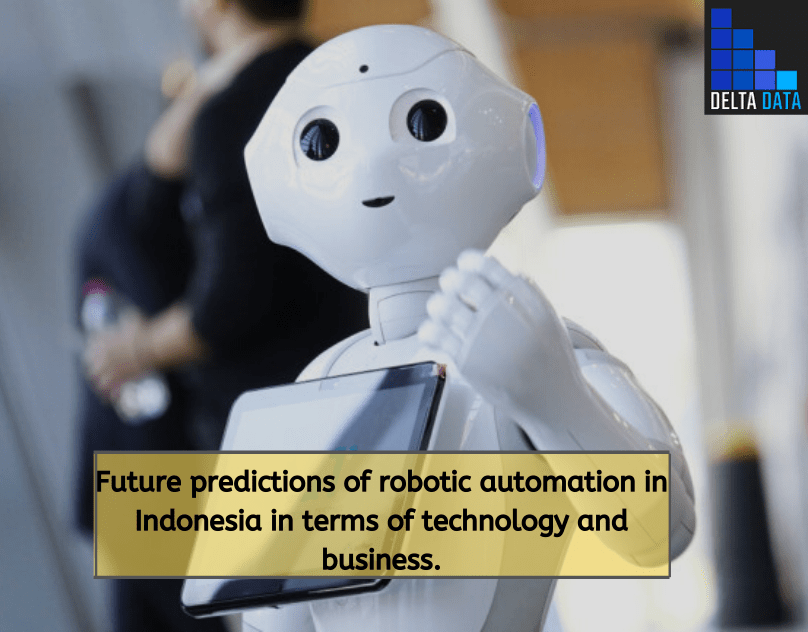
Robotic Process Automation (RPA) is an automation technology that is used in industries and businesses to automate repetitive, labor-intensive tasks using Artificial Intelligence. The technology has been out for a while and is continuously advancing. Let’s discuss some applications of the RPA technology, along with some future predictions on robotic automation Indonesia.
Main applications of RPA
Some of the primary applications of robotic automation technology are:
- Report generation
- Customer Relationship Management
- Operational sales activities
- Data replication and migration
- Data validation and auditing
- Revenue forecasting
- Beneficial to QA processes
Most effective RPA tools that exist to date are:
- UiPath
- Automation Anywhere
- Blue prism
Future predictions for RPA
The predictions of uses and scope for RPA are full of potential, one of them being the streamlining of the technology. Here are a few further applications of the RPA technology you can expect to see a few years down the line.
Integration with other technologies
RPA, with the help of other emerging technologies, will become more prevalent. Robots, when blended with AI, will be able to perform more complex tasks with ease, thereby simplifying cumbersome business processes. Robots might also integrate with other technologies like 5G, IoT, and Big Data in the upcoming years.
Reduced operational costs
As RPA technology advances and streamlines, we will witness a reduction in the operational costs of RPA. Along with it, other costs of other processes, such as automation, will also dramatically reduce over the next few years. Moreover, as technology becomes more prevalent, the RPA licensing will also see a significant decline rate.
RPA security
With more load on robots, the chances of data and security breach will also increase. This increased security threat will lead to new developments in the field of RPA and automation security. Unfortunately, we can also expect to see a rise in robot-targeted cyberattacks.
Jobs and industries
Robotic automation will also revolutionize the job and industrial sector. Jobs that require analytical and technical skills will be in high demand, whereas robots will replace manual labor tasks.
Conclusion
Robotic Process Automation is one of the rising technologies in the industrial market, but it is yet to be streamlined and entirely embraced by all industries. However, future predictions suggest that RPA technology will undergo further revolutions, which will reduce its cost and increase its consumption on a global scale.
 deltadatamandiri